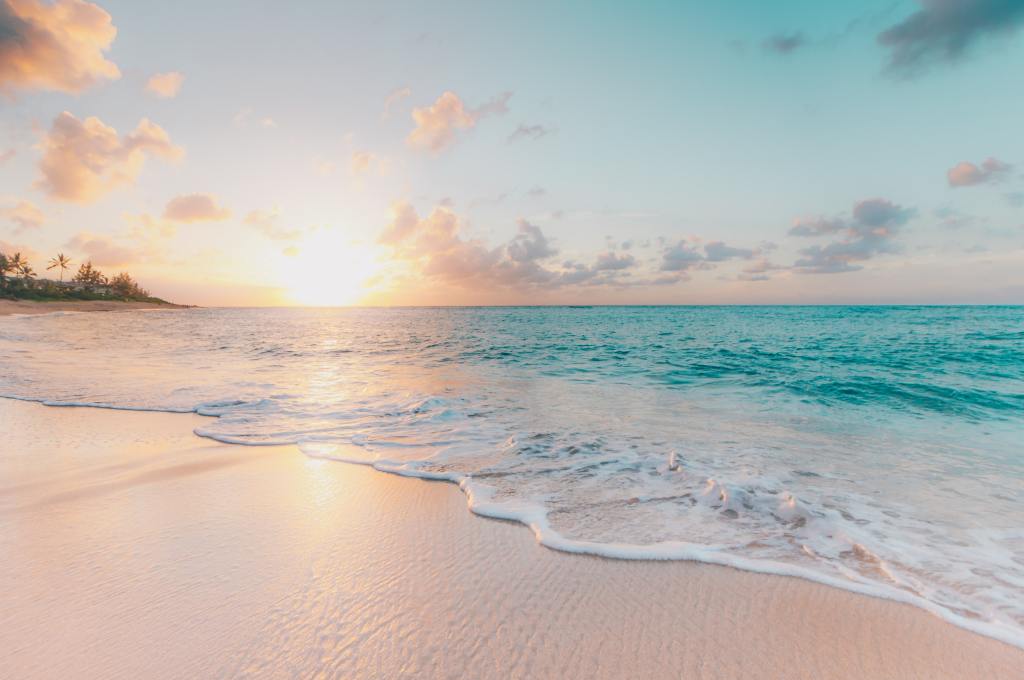
When you’re a little kid, one always dreams of the perfect vacation for you and the family to go on. This dream for me was a trip to Hawaii with my most cherished relatives to soak up the sun and enjoy the different activities the land has to provide. As I grew up watching the show Hawaii Five-O, my admiration to travel to the land has grown stronger. With the warm weather and the beautiful scenery, this destination is still at the top of my list to this day. This spot is a popular location for those really looking to get away and enjoy their time in a tropic getaway. In addition, the culture and environment adds a great deal of significance providing visitors with a fun yet educational experience. As numerous tourists travel there yearly from around the globe, we are going to uncover the main impacts from tourists visiting these precious lands.
A major factor that impacts Hawaii head on is the transportation emissions that are created from tourists and travel. As Hawaii is a set of islands located in the middle of the Pacific Ocean, getting there puts their environment at high risk for contamination. From those traveling out of the US, one does not always realize the amount of energy needed to get a plane from California to Hawaii. An article from the Sierra Club of Hawai’i notes that annual tourists from these airplanes release about 2,295,385 metric tons of carbon dioxide yearly just from travel between the US and Hawaii. Not considering travel from other countries, the carbon footprint continues to increase while beaches stay overcrowded and nature is impacted head on. This shows the main need of sustainable planes, producing less emissions into our oceans and atmosphere. Achieving this would be a major step for Hawaii and protecting its ever so precious environment that is available to tourists.
While Hawaii’s tourism has benefited them economically, it has hurt Native Hawaiians culture overall. As big corporations and industries have come into the state, they have taken away many economic opportunities for locals. The article I found discusses how impacts from tourism leaves natives scraping by trying to make a living. Not only has their culture been depleted, but many have ended up facing many financial challenges leading them into poverty and crime. In addition, this has allowed for a culture invasion creating an altering vision of what reality truly is for those living on land. As numerous people come and go, their space isn’t being protected, preserved, or respected by those visiting. This creates a stigma between tourists and natives that allows for distrust in visitors on these endangered lands. Preserving their culture should be at the top of our list, as this history is necessary and imperative for future generations.
Looking at the halt in tourism during this pandemic has allowed for residents of Hawaii to truly see how visitors use this destination as their getaway. While this what helps to drive their economy, many came to the realization of reality during this pandemic. An article discusses the impacts from COVID-19 and how tourism has left its mark on the native community there. With unemployment reaching an all-time high of 34%, over a third of the population is left to scrabble to gain benefits. While funding is not being generated, this makes it even hard on their economy showing the dependency on the tourism industry. Don’t get me wrong, we want people to explore and admire the land, but seeing the dependence of tourism in making the state thrive is truly sad and eye opening. The article mentions how the pandemic also caused some people to make the rash decision of traveling, leaving natives at severe risk with minimal resources.
Overall, there is a lot one can gain from the information provided from these articles. They have truly opened my eyes to the way tourism embellish the great state, allowing for one to think of it more as a destination hotspot rather than a cultural and environmental experience. When I have the opportunity to travel there, I hope that they have enacted some strong sustainability plans for travel as well as protection rules for the environment. Knowing that I will be there for the culture and environment rather than going “for fun” truly makes the experience more exciting to look forward to. Taking all proper precautions to cherish and protect the land of Hawaii is key, as we aim to grow all cultures collectively through best practices and protection.
 Sam's Blog Spot