
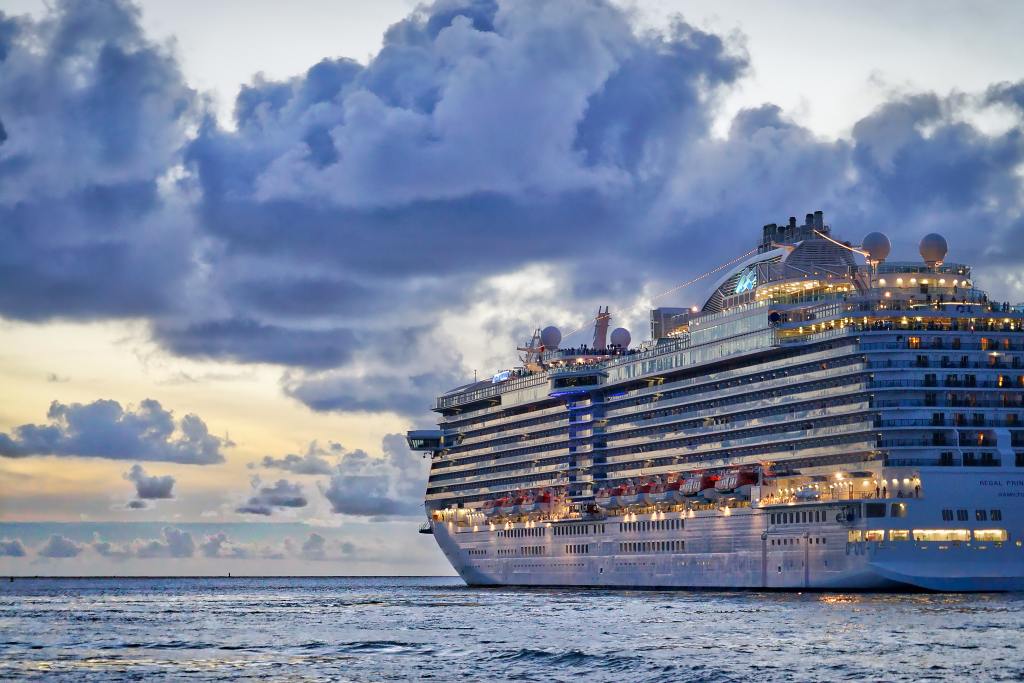
When many think about a cruise, they typically think of a luxurious vacation boat that travels to many popular tourist destinations. As there are many leading cruise brands in the industry, when one hears Carnival or Royal Caribbean, they know that this is referring to a vacation getaway. As many have taken these trips in sections of the world, we will uncover what goes into this sector of the tourism and how they manage running lines most of the year. From entertainment to dining, the team running this ship must coordinate together to create the best vacation for their guests. Though the film Cruise Inc. Big Money on the High Sea one is able to uncover the practices that go into play when coordinating a ship and a business. Ensuring that all guests receive the ultimate satisfaction from their trip, creating ways for tourist to invest in the cruise industry, and ensure safe travels are all key factors that will be discussed in the paragraphs ahead.
After watching the film, one is able to get a pretty good grasp of understanding how they operate. As this is a major part of the hospitality and tourism industry, it is important to be aware and understand what goes on behind on the scenes. The narrator of this film Peter Greenburg stated its a “30 billion-dollar industry,” but only “17 percent of the public goes cruises.” As this was filmed over ten years ago, these numbers may have changed. It seems interesting that they generate so much funds, while only receiving about a fifth of the public. This is due to the stereotypes that have followed with the industry, noting that they often appeal to older and wealthy individuals and couples. While this is understandable, one can begin to understand how much directors put into the industry before, during, and after the trip. From food and beverages to luggage and supplies, there is a lot the crew must load on the ship before departure. Making sure all the individuals are on the vessel and boarded safely is necessary as their workers and visitors make the trip possible. As each week goes on, workers do this process once a week and work for ten hours a day. From hotel to cruise directors, there are many leaders on the boat that help run the trip smoothly for the passengers while enjoying all the great amenities.
Beginning to understand each part of the cruise would be a lot of information, instead I will discuss the way oil which they combine all the activities and options into one. From the Norwegian Pearl in the documentary, we can see the director there uses the style of freestyle cruising. This encourages all ages to come on these cruises and be who you are. It doesn’t matter what you wear or what you do, the options are endless. With over 100+ activities for guests to do each day, we can see that cruises want you to soak up your vacation. With that comes many expenses in addition to paying for the cruise, such as fine dining, drinks, gambling and many other activities. While lodging, entertainment, food buffets and some activities are included, it is often that one must fork over a pretty good amount of cash in order to receive the all-inclusive experience. In order to get tourists to engage in these activities, the staff engage with their passengers to inform them of all their opportunities. With this brings additional revenue for the business and sucks them in for an unforgettable experience that will stick with the passengers. From there, this will hook tourists to try other trips and recommend to their family and friends.
As the ship stops at multiple locations, each ship depends on where you will stop. From Caribbean cruises to cruises around Alaska, one can find trips that encounter different environments and climates. When stopping at these spots, tourists are able to exit the boat and engage with the community and the amenities that come with it. When say amenities I mean the beaches, land, water, and the fresh air, not the excursions or shopping of course. As this brings income to local businesses and communities, it also generates funds for the cruise lines are they often partner with them. This allows for the cruise lines to advertise these places prior to boarding and allows them to book reservations in advanced if necessary. The film notes that the cruises pay fees and taxes to stop at these destinations throughout the trip, as it is not cheap. While this promotes growth in the communities, the industry often hires workers to run this ship internationally to save costs on paying employees. This allows for the cruise lines to balance funds and generate additional funds to the business. When cruises stop at these points it is important to think about the environmental impacts they may have on these cities as well.
In understanding the last key factor of cruises, we can understand that safety is a priority for all aboard the ship. From the minute the passengers step foot on the ship, it is the cruise lines responsibly to keep their passengers and workers safe. Upon entering the ship, passengers and their luggage are inspected in aims to protect other guest from any danger. They also scan for prohibited substances and items as they want to provide everything the passenger may need on board. The workers are also scanned by intensive background checks insuring they are a right fit for the team and the passengers. From fires, to technical issues, to sicknesses, there are many issues that can arrive while at sea. Ensuring that all staff is properly trained prior to departure is necessary and going over protocol often is crucial. In an event of an emergency disaster, it is necessary that passengers are aware of exits and life gear that will help get passengers off the boat. In addition, it is very important for engineers and operators know the protocol at sea in order to protect our waters and their environment from spills or pollution.
As cruise lines have had to go though many pandemics over the last century or so, it is interesting to see how they handle these types of viruses. As we are living though COVID-19 currently, we can compare how measures were handled during other pandemics such as the NORA virus. While COVID-19 is a respiratory virus, NORA virus was a stomach flu. On the ships they took similar precautions to the same ones we do with the current pandemic, sanitation and quarantines. This puts the safety of their passenger first, while still allowing the ship to continue with normal activities. With additional measures such as intensive sanitation and hand sanitizer stations, the ship must continue to do everything they can to stop the spread. The same goes for this current pandemic and making sure that social distancing, masks, and reduced capacities are included as well. Those who do decide to travel during these times should do some intense research to make sure protocols and proper measures are being taken. As I would love to take a trip on a cruise line soon, I would wait until this pandemic passes so I can get the most out of the experience while staying safe and healthy.

