Posted in Hospitality & Tourism Management

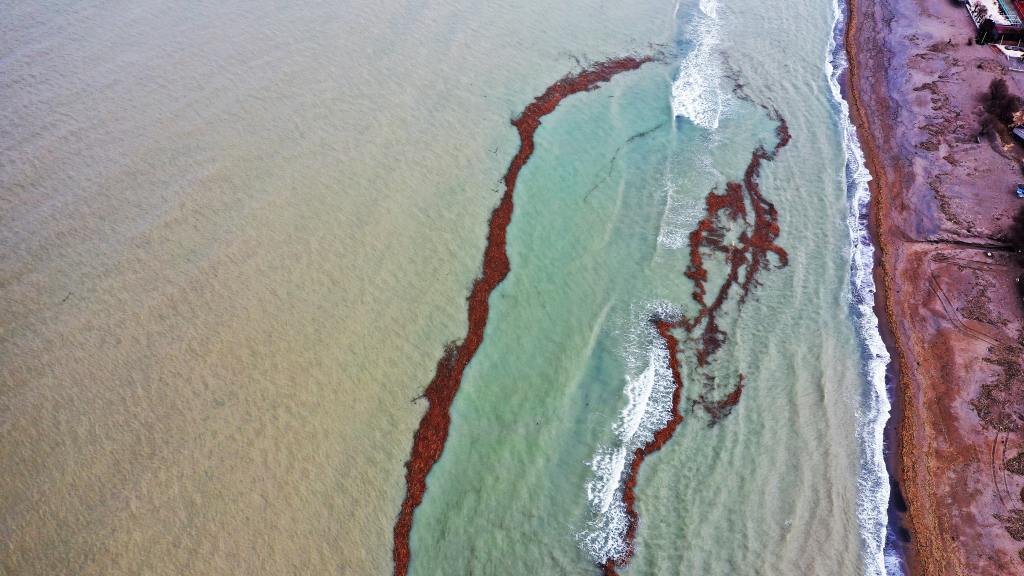
How the Tourism Industry Impacts Our Environment

Photo by Manousos Bouloukakis on Unsplash

The day-to-day use of our planet is slowly but surely deteriorating before our very own eyes. As humans use our beautiful land around the world to reside, work, and travel, many aren’t concerned or aware of the first hand impacts we are creating for the future of our planet. From oils spill and pollution, to killing off animals and endangered species, our planet is taking hits from human impact 24/7. From watching the films provided, I was able to understand and see how disaster like BP oil spill and the Exxon oil spill have made an impact on our environment to this day. Seeing the hurt that humans and animals have to go through in these types of disasters truly breaks your heart and makes one think, there must be a better way to do this. While I’m sure there is, we have not had the proper advancements and enforcements to makes sure that events like these done happen again. In going forward in this discussion, I will aim to uncover my feelings while using the facts to understand why we still operate this way to this day.

Now you may be wondering, why is this relevant to the tourism industry? Well, the way in which these situations were handled still put many of these environments at severe risk allowing for a lack in life in some of these areas. If animals can’t live happily in their environment without consuming some kind of toxin, I’m pretty sure these areas aren’t too great for tourists coming to visit these spots as well. Seeing in these films that problems still occur from events that occurred years to decades ago shows the lack of accountability overall with our environment. As the Gulf of Mexico and Alaska still faces rough conditions, some wonder when anything will be done to truly wipe out this pressing issue? I think personally this starts with the leadership within these major company needing a shift in focus. Rather than running their business while concerned about the environment, I think that the environment should be the number one factor before doing any business. Having research to show methods that will not have the same impacts as previous times will be the only way consumer can have hope for these types of industries. The government also plays a major role, as the steps they take can be enforced and abided by overall in an environmentally friendly way.

Not only do I think that this lies within the corruption of our planet, but specifically our country. As numerous politicians (republican and democrat) have held office over these major crises, I still find it humors that this has not opened the eyes of our leaders. You would think that since we are still battling many of the effects from these crises that a leader would arise. I truly think that these companies got away with this big time and allowed for conditions to worsen within our environment, yet many just forgot about these events that occurred. Holding them more accountable not only financially, but overall in future drilling procedures should’ve have been taken immediately showing that the US is not tolerate any of these situations. Unfortunately, that was not the case and we are still battling the after math of these environmental impacts.

Understanding my opinion, I think that fracking is intolerable, and we should be finding more reusable and clean ways to do so. As there are so many options, we have yet to make the proper investments to properly reduce and solve these common issues. Overall, I think it should be banned in general, but in the society we live in today would not allow that. Instead coming back to the main focus of accountability is what a leader in our government needs to do. While banning it would be tough, implementing laws, regulations and best practices would be ideal overall. Leaders like Bernie Sanders have expressed their opinions on this issue and full support the need for reform within the oil industry. In thinking preventive measures, I would say gaining support from leaders in the senate and house to persuade banning at local and state levels that would create a movement. From this, we as a society can go forward in the coming years even more if discusses these environmental issues sooner than later. When it does happen though, knowing the best options for companies to recover the environment and gain consumers trust back overall is key. Creating new best practices when preventing and taking care of an oil spill is beyond necessary, as this country needs solid reform in the oil industry.

Trending Now

In looking at the article I found, it relates to the current COVID-19 pandemic and how we have seen a constant reduction in environmental impacts across the globe. This focuses on the island of Bali in Indonesia, as they aim to reform and rethink their current environmental situations. Preserving their land is the main topic of discussion in the article, as they aim to focus on priories of their land and people in the reopening of the tourism industry.
Posted in Hospitality & Tourism Management

Political Impacts on Tourism

Photo by Fred Moon on Unsplash

As politics play a major role around the world, relationships with other countries from your own have a strong impact on the tourism industry for some. Through films and clips like Argo and YouTube clips about Iran, one can understand the underlying stigmas that stand with many travelers around the world based on different relationships. As this does not matter to some, others are really influenced by the relationship that holds between your home country and the one you want to travel to. As these films showed thought-provoking experiences from different perspectives, I think it is very important to see how other residents from communities around the world perceive different countries based on affairs and prior history. Throughout this blog, I will provide my thoughts on this sector of the industry and discuss the impacts on tourism overall.

When looking at certain destinations, many gain this “perspective” of how they view this certain place or destination. This perspective can sometimes occur from how Hollywood makes some of these locations look and seem. More often than not, films often personify the location for the best or the worse often based on political views from the US. According to a research paper conducted by professors from the University of North Texas, they found that there is a positive correlation between how perception is affected by the personification of many hot tourist spots. Where it be positive or negative, it often shapes the view one has and allows them to create their own belief from others. This is very skewed and allows for a lot of misrepresentation of many places often based on political biases.

When putting this into a personal perspective, I find this very daunting that media can have such a big impact on beliefs about a certain destination. When I think of places that I want to travel around the world, I often fight this battle in my head that either has a good or bad perspective based on prior knowledge. More often than not, I try to put aside these differences to view the culture as a community and a spot to gain new perspectives and rich experiences. A country like Iran is so poorly perceived by the American people, yet many only know the history that occurred a while back. As many of the policies that Iran has supported deter me, I know that the battle and lack of relationships between countries has little to do with the people, environment and the community within. As Iran would not be my top choice of travel, I think Americans should feel safe to travel to any destinations despite the political affairs leaders in government have created. Working against these countries not only create a divide but a new perception often based on political malarkey.

Not only does these political indifferences entice me to visit these countries but allows me to see the good that exists in each country overall. While political factors play a case for many, I think that traveling to the destination due to inspiration and experience is what will drive me to my future destinations. I think it is very important to be able to feel safe in this destination, so making sure intensive research is done on safety rather than politics is the main influence for me. Despite histories with the countries, making sure that you can successful get back and forth while knowing your resources in that place is key. I would not NOT travel to a country based on history that can date back centuries and decades. Being able to live in the moment and do what truly feels best and safe to you is my main objective when traveling to foreign destinations.

In preparing for a future trip to one of these destinations skewed by political indifference, I would first do significant research on it. Making sure there are not travel restrictions and laws prohibiting the entrance to this country is important, as international affairs often become very sticky situation. In addition, having resources planned prior such as methods of communication (in-person and over mobile) is very important as language barriers often persist. From a translators to emergency services, making sure that you can interact with others is crucial, otherwise you may find yourself out of luck overall. making sure you have the proper vaccinations is crucial as well, as many countries have diseases and viruses in their country that the US doesn’t. Overall, preparing for a destination that has tensions with your government can be tough, but achievable as long as you ensure the proper methods before traveling.

Trending Now

Looking into an article I found in relation to political impacts on tourism, it discusses the relationship between the Australian and Chinese government. This article notes that there was a discrepancy between the governments saying that when you travel to Australia from China you will face racial discrimination. The prime minister from Australia endorsed tourism to their country and denied the allegations.

Posted in Hospitality & Tourism Management

Tourism and Natural Disasters: A Travelers Worst Nightmare

Photo by Jarrett Mills on Unsplash

From natural disasters to horribly coordinated events, tourists are often put in situations that puts them in panic mode. As these types of events occur, it is up to the traveler to use their best knowledge to navigate through multiple barriers and issues that can turn an exciting vacation upside-down. Knowing how to properly deal with the situations presented to you as the tourist is something that seems unfair but very necessary when least expected. As seen through the documentaries Tsunami: The Aftermath and Fyre, both situations provide the traveler with real life experiences that occur in the tourism industry.

When travelers are part of natural disasters such as one caused by a tsunamis, tornados or earthquakes, it is up the traveler to know what to do in the moment. But even prior to leaving, it is always best to plan ahead even if it’s for the worst. Having extra money, alternative plans, as well as extra copies of travel documents are just a few of the many ways to be best prepared. As natural disasters can range in severity on a major scale, it is necessary to be ready for anything. If stuck in the moment with none of these options, it is best to take shelter and then find support through officials and emergency services after the event is over. Going out during these types of disasters and becoming fearful and scared is the opposite of what is needed to best protect yourself. Staying as calm as possible with the ones you love nearby is the main objective when enduring a national disaster on vacation.

When news companies report this information on communication platforms, it is crucial to listen to updates and stay up to date on what’s going on. It is up to news platform to provide shelter spots, services, and protection tactics to keep all publics safe in the area. In addition, they must provide the community with updates as the natural disaster occurs, deeming it safe to return outside of shelter when appropriate. Typically after an event like this, tourism within the city it effected tends to die down and transition into reform mode. Many of those who work in the tourist industry are often displaced until these industries pick up. From pervious natural disasters, we have seen the amount of time necessary to rebuild and restore communities, often taking a long time to regain the normal flow of tourism. Lastly it is key to make sure the government officials are part of this event as well. As we have seen with current pandemic, it is crucial for officials to provide the public with best knowledge and current facts with what’s going on. Making sure resources are available to every public is necessary, as tourists in this community will need them too.

In looking at the effects this may have on travelers, it can instill many mindsets of being fearful or even sacred of traveling anywhere. After one is faced with this crisis on vacation, is hard to look back on the positive mindset on typically has when traveling. though high levels of distress, one faces their lives flashing before their eyes, often wondering if they will make it back home alive and safe. As many could be faced with travel fears for life, many could even be espied to similar PTSD conditions that military groups encounter often. Depending on the severity of this event, will depend on the personal impact overall, but knowing that these events do impact travelers and communities permanently is what needs to be understood. In wondering the responsibly of tourist companies, it depends on the type of disaster and what not. Overall though, I believe their role in supporting guests should be their ongoing focus while navigating through the crisis. Ensuring safety and providing tourists with additional resources and facts would be ideal from companies, despite the situation.

In relating these issues of a natural disaster to just a tourism fail overall is very compatible. Looking at the Fyre Festival that happened in 2017 correlates to many of the issues and factors discussed above. This event not only surprised me but left me in utter shock that an organized event would turn out wrong for so many people. I heard of this prior to watching this documentary on social media, but never truly knew all the underlying issues lying underneath the surface. I was disgusted to see the organization team in place and how they even allowed guests to arrive knowing that they were not ready. If I were to arrive at this event, I would do my best to stay calm and get off the island. As many were stranded, just keeping a level head while exploring the options to stay safe and stay alive would be my main focus. Overall, I would do my best in any situation during my travels to stay positive and further my understanding of what’s going on in any disaster that could occur.

Posted in Hospitality & Tourism Management

The Hurt in the Tourism Industry

Photo by NeONBRAND on Unsplash

While the tourism industry provides many amazing opportunities for those looking to explore and connect with nature and its surroundings, many don’t see the impact that those who get involved with this industry for the wrong reasons. Through a couple of disturbing films, I was able to see the corruption that lies within some of the industry. Seeing these issues first-hand through the films allowed me to understand the true hurt that impacts the tourism industry. As I thought dark tourism was a negative sector, this view of tourism takes it beyond that point-of-view. Through the scenes of abusing and poaching dolphins and selling their meat, in addition to abuse in captivities through intensive training and loud noises – these animals are hurting, BADLY!

Prior to watching The Cove and Blackfish, I had knowledge on this type of tourism, but not through the scenes I watched in these films. I am truly disgusted to see the way in which humans take advantage of animals and our environment for their own personal gain. I have always understood the anger with places like Sea World and to think that there are even more instances happening behind the scenes – like shown in The Cove – is unreal and absolutely disgusting. I reuse to stand by and let this happen and through this blog I can express my platform and feelings overall. As this is systemic problem within the tourism industry, it is up to activists and leaders in the community to speak out and take all measures to prevent this.

According to an article by the UK, it states that “wildlife tourism accounts for between 20 and 40 of all global tourism with 3.6 million visitors around the world”. This is a big statistic in relation to the world of international tourism. As many can understand, there are many unreported cases of these types of activities across the world. Whether it’s from improper training, lack of care, financial gain, to abuse and distribution, these types of activities can be considered the “dark web or channel” of the tourism industry. In understanding its effects, one can see that the lives of many animals are being put at danger on a daily basis worldwide. Influencing government and tourism leaders to pass additional regulations and monitor these businesses that are negatively impacting wildlife through the exploitation of entrainment and economic gain must be achieved worldwide.

Through activist groups and support organizations against these actions performed, issues need to be raised. Just like the current protests going on now, it is up to the people to voice their concerns and vote for those who stand by these issues. As many political leaders don’t find this as a mainstream issue, society needs to create a platform to engage and further push more regulations. But first, the people must know of these issues in order to support and I think that is part of the current problem. Talking about these issues and becoming informed through these films that we endured in class can rise voices above. Being aware is the first problem, the second requires the proper legislations and regulations to make companies and employees comply. Even then, we will not tackle the issue 100%, but from there we can see institution change happen over a period of time, aiming to achiever that 100% in the end. Every right step in protecting animals in captivity and facing abuse is a step to protecting the tourism industry and the environment and our creatures within.

If people were aware, I do think many would revolt a lot more against these big-name companies that perform these horrible actions. I think that the use of animals within tourism is acceptable to an extent. Educational purposes provide visitors with the opportunity to be educated, while enjoying the experience and generating money. This can help the tourism industry overall while not engaging with any training or harm to the animals being used. Events like petting zoos, swimming with dolphins/Sea World, or watching bullfights are entertainment events within the tourism industry that I do not support and would not put my money or time into. Going to your local zoo is something that I’m passionate about and encourage everyone to take advantage of these opportunities to interact with animals, as they are educated and well trained to keep animals in the environment closet to theirs.

Posted in Hospitality & Tourism Management

Voluntourism Around the World

Photo by Zach Vessels on Unsplash

Looking into a different sector of the tourism world, one can uncover the concept of voluntourism. Now many may wonder what that concept consists of, well this is an effort by humans to better other communities around the road while gaining a cultural experience. This can often be seen through mission trips and other outreach organizations that send groups of people to help those in communities struggling or underdeveloped. Many religious groups take part in these trips yearly, as they send their mission teams to countries such as Kenya and Haiti helping them build up structures and creating connections for all members in the community. In addition, organizations around the world connect with activist groups and send members and volunteers there as well. Many of my friends have been around the globe in efforts to help others and I truly pride and commend those doing so.

As we saw in the documentary The Goose with the Golden Eggs on YouTube, many tourists who proclaimed to be helping the community ended up building tourism along the coastline. While many may see this a beneficial project conducted by those looking to help, one can understand the big hotels and tourist attractions made an impact of Costa Rica’s costars shores. This can be applied to many different movements of groups around the US, aiming to make a positive change. Little do some know that this major economic impact of creating these tourists’ spots can lead to hurt and destruction of these cities. Applying these concepts personally, I believe that voluntourism can do more damage than good. I think that a lot of people go into with good intentions often leaving it for residents who don’t know how to properly sustain an environment with so many visitors. As people travel to many common destinations frequently to help, they do their part then leave for the residents to keep up.

In asking friends who have attended these kinds of trips recently, I have discovered many do it for their moral character. The need to help others and obtain that feeling of contributing while being on a “mission trip” is what fulfills their need to help “change the world”. Now not all people go to these destinations for this reason, but it is transparent to me that many don’t have an underlying motive besides themselves for taking the trip. When being informed of trips like these from friends, I typically hear about all the fun activities they did and saw before what they did for the community and others. While this may seem like I have poor friends, it’s often about the personal gain for most unfortunately. If I were to ever to take a trip like this, I know I would be passionate about the community and the underlying issues that we can change within a week – not tourism hotspots for us to invade and impact the community in a negative way!

In looking for a balance between both perspectives like my friends and mine, I would call on organizations to make sure these trips sending large groups have a strong focus with achievable goals for the members. In addition, making sure to communicate needs of that certain area to organizations prior to create a concrete plan of the trip is key. While one can still enjoy the environment they are in and take the opportunity to gain new experiences, having a mindset of being there for the people is what religious groups and organizations needs to instill in one’s mind. Knowing your plan to achieve and best affect the community should be the main focus, in aims to create the best balance for volutourists worldwide.

Posted in Hospitality & Tourism Management

The Dark Truth Underlying Dark Tourism

Photo by Julien DI MAJO on Unsplash

After watching numerous episodes on the Netflix series called Dark Tourist, I was able to gain deeper and somewhat even darker perspective on the tourism industry. This series provided thought provoking topics within the industry that happen on a day-to-day to basis. But before we get into the concepts within this film, let’s discuss what dark tourism even is. This sector in the tourism industry is described in the documentary as “holidays in war zones, disaster sites, and other offbeat destinations”. So, let’s break that down a bit, people travel to actions where death and crime happen? Yes, unfortunately this sector of the industry lies within the beautiful world of tourism. The following paragraphs will take you through examples from the film in addition to personal insight on the whole situation as a whole.

Before viewing the documentary, I have yet to understand that this part of tourism actually exists. Sure enough this film opened my eyes to a whole new perspective on this part within the industry. From exposing residents and visitors to radiation, to exorcisms taking place by religious groups, to “REAL-LIFE” VAMPIRES – WHAT? All of the examples shown throughout provide a thought-provoking experience allowing one to why one would ever want to become involved with this type of tourism. It shows us simply that the people typically go to these for the people who share similar characteristics and thoughts rather than the destination itself. In my opinion, this defeats the whole purpose of tourism and gets people involved with things MOST should stay away from: death and dismay. Many see this industry an opportunity to be educated, but I would never be one to take part in this industry.

In thinking of a location that I have always wanted to visit, New York is one on the list of my top ten. This location provides a lot in regard to the arts, food, and entertainment businesses gaining many tourists from these attractions. In addition, it is home to some of the most historical landmarks in the US. From the Statue of Liberty to Time Square and Central Park, this location offers a lot to the tourists in the state. In contrast, this location offers many aspects of dark tourism within. The falling of the twin towers during 9/11 is prime example that lingers within the city. As devastation and terror changed the City of New York, many still visit site for different reasons than I listed above. The grievance of those lost in those times resonate with many and attract people and some make money off exploiting this so called “attraction”. As I see this as an education opportunity, I lack to understand the way in which people support this as a way to make money and connect with visitors. As some come for the sole purpose of this aspect of dark tourism, many who don’t become exposed in these densely populated spots.

In diving deeper on the city of New York and its dark tourism section, I can see two sides to those visiting this destination. While some aim to inform and educate those of the tragedy that happened, others look to spew on the thoughts of death often personifying it and benefitting financially. Many of these people dwell on lack of commercialized use of these spots, often creating merchandise and such to encourage and engage visitors. As many are not there for that reason, I could see that playing a major ethical issue in one’s mind. As the choice to get involved and support this dark side of tourism and whether it intrigues an individual is truly an ethical choice. Would those who died in this attack appreciate this glorification their death, probably not! Many still choose to support this route and find it socially acceptance to engage in this spots as it aligns and appeals to some.

Overall, I think that use of dark tourism within the tourism industry is something that should not be glorified. As much buzz is created on the media by believers and conspiracists, this is something in my opinion should not as much hype as it does. I find it unsettling that many aims to gain from others pain and by demonstrating it, it eggs many others to come along. I think that the section of dark tourism in NYC regarding 9/11 is existent, but definitely not as glorified as other places worldwide.

Trending Now

In looking at the current effects of COVID-19, one can understand how the hospitality and tourism industry has stepped up to show their continued support during this global crisis. The first article I found is in relation to how a hotel was rented out for those needing a place to sleep during COVID-19. This hotel in Philadelphia did not obtain the use it was meant for as it was supposed to house healthcare workers, first responders, and the homeless community. The second article I found deals with the use of hotels in NYC during the pandemic, often housing many business men and women who needs work time away from home.

Posted in Hospitality & Tourism Management

Hawaii’s Tourism and Its Effects

Photo by Sean O. on Unsplash

When you’re a little kid, one always dreams of the perfect vacation for you and the family to go on. This dream for me was a trip to Hawaii with my most cherished relatives to soak up the sun and enjoy the different activities the land has to provide. As I grew up watching the show Hawaii Five-O, my admiration to travel to the land has grown stronger. With the warm weather and the beautiful scenery, this destination is still at the top of my list to this day. This spot is a popular location for those really looking to get away and enjoy their time in a tropic getaway. In addition, the culture and environment adds a great deal of significance providing visitors with a fun yet educational experience. As numerous tourists travel there yearly from around the globe, we are going to uncover the main impacts from tourists visiting these precious lands.

A major factor that impacts Hawaii head on is the transportation emissions that are created from tourists and travel. As Hawaii is a set of islands located in the middle of the Pacific Ocean, getting there puts their environment at high risk for contamination. From those traveling out of the US, one does not always realize the amount of energy needed to get a plane from California to Hawaii. An article from the Sierra Club of Hawai’i notes that annual tourists from these airplanes release about 2,295,385 metric tons of carbon dioxide yearly just from travel between the US and Hawaii. Not considering travel from other countries, the carbon footprint continues to increase while beaches stay overcrowded and nature is impacted head on. This shows the main need of sustainable planes, producing less emissions into our oceans and atmosphere. Achieving this would be a major step for Hawaii and protecting its ever so precious environment that is available to tourists.

While Hawaii’s tourism has benefited them economically, it has hurt Native Hawaiians culture overall. As big corporations and industries have come into the state, they have taken away many economic opportunities for locals. The article I found discusses how impacts from tourism leaves natives scraping by trying to make a living. Not only has their culture been depleted, but many have ended up facing many financial challenges leading them into poverty and crime. In addition, this has allowed for a culture invasion creating an altering vision of what reality truly is for those living on land. As numerous people come and go, their space isn’t being protected, preserved, or respected by those visiting. This creates a stigma between tourists and natives that allows for distrust in visitors on these endangered lands. Preserving their culture should be at the top of our list, as this history is necessary and imperative for future generations.

Looking at the halt in tourism during this pandemic has allowed for residents of Hawaii to truly see how visitors use this destination as their getaway. While this what helps to drive their economy, many came to the realization of reality during this pandemic. An article discusses the impacts from COVID-19 and how tourism has left its mark on the native community there. With unemployment reaching an all-time high of 34%, over a third of the population is left to scrabble to gain benefits. While funding is not being generated, this makes it even hard on their economy showing the dependency on the tourism industry. Don’t get me wrong, we want people to explore and admire the land, but seeing the dependence of tourism in making the state thrive is truly sad and eye opening. The article mentions how the pandemic also caused some people to make the rash decision of traveling, leaving natives at severe risk with minimal resources.

Overall, there is a lot one can gain from the information provided from these articles. They have truly opened my eyes to the way tourism embellish the great state, allowing for one to think of it more as a destination hotspot rather than a cultural and environmental experience. When I have the opportunity to travel there, I hope that they have enacted some strong sustainability plans for travel as well as protection rules for the environment. Knowing that I will be there for the culture and environment rather than going “for fun” truly makes the experience more exciting to look forward to. Taking all proper precautions to cherish and protect the land of Hawaii is key, as we aim to grow all cultures collectively through best practices and protection.

Posted in Hospitality & Tourism Management

International Tourism Impacts and Sectors: Navigating Through COVID-19

Photo by USGS on Unsplash

After having the opportunity to watch various films during this quarantine, I was able to understand a handful of major concepts within the tourism world. Through ecotourism, nature conservation, and disability tourism, one is able to uncover the beauty available to us in this world while protecting and preserving our environment. These concepts bring up many major discussion points currently and going forward for generations to come, aiming to ensure sustainability options overall. As many prime spots around the world have been impacted by tourism thus far, aiming for enjoyment while still taking precautions is detrimental for our society. Through the films watched, I aim connect them to the tourism concepts listed above, stressing the need for clearly and direction in these sectors of the industry.

In understanding the ecotourism, one can see it as a way to preserve earth’s finest landmarks, while benefiting economically. As many of these places are filled with rich history, this brings a place for visitors to engage and embrace the journey. While this has allowed for many to gain once-in-a-lifetime experiences, few think about the impacts that ecotourism brings upon the environment. In the movie Gringo Trails, it uncovers the simply need for adventure from many tourists from all over. As these spots appeal to many tourists, revenue has continued to increase, yet a plans for the future of these ecotourist spots stands stagnant. As ecotourism consists of a balance between preservation, education, and money, it is up to experts in the industry to keep up with the consistent rise in visitors. The movies provides the viewer with a first hand view on how they can make a major impact negatively on communities cities and environment.

Looking at concepts related to nature conservation, Blue Planet 2 and 180 Degrees South show strong example throughout, providing viewers with thought provoking stories on the ongoing affects from the tourism industry and humans overall. Witnessing animals and nature interact with the mess some people create brings many hardships on our ecosystem and nature. These films provide the knowledge to understand the need for protection, as one is able to witness pollution and harms that is put on these communities. These additional stressors such as trapping, oil pollution, and garbage ingestion put a strain on nature and aiming to protect them is at utmost importance now then ever. Both of these films shed light on the need to protect nature from problems caused by populations who share the land with these precious ecosystems. Finding out the best ways to conduct day-to-day life while still thinking about and protecting nature is the main takeaways one can gain overall.

Another major sector in the industry has to do with disability tourism, as it pertains to those who can’t experience travel the same way other can. While aiming to provide the best experience, one must take extra measures to ensure everyone is able to enjoy the beauty within nature. This includes ramps, safety precautions, and many other accommodations to best serve all publics. The movie The Weight of the Water provides viewers with a documentary of a blind mans adventure down the rivers of the Grand Canyons. Erik and his campions show strong teamwork skills to best navigate the group as a whole down the rushing rapids. As Erik has wanted this experience forever, he felt like his disability would present a problem. Little did he know he was beyond capable and able with the right mindset and accommodations, This documentary allows one to see how disability tourism is possible and can be implemented worldwide. As some locations can be tricky to navigate for some, aiming to welcome anyone and everyone is a key factor.

In compiling all these sectors of the tourism industry, one is able to understand how our recent pandemic has made on impact on these areas. While many places are used to human interactions, many of the prime ecotourism spots are not getting the crowds they used to endure. This put the animals in a situation, as some may be used to their source of food coming from humans. As this adaptation has stuck with many of these creatures, finding food on their own may be harder on them as some necessary skills to hunt may not be prominent. On the bright side, I do believe the oceans and our atmosphere have benefited greatly, allowing for less toxins to be produced due to the reduction of travel. In regards to nature conservation, we should use data to show reductions and aim for sustainable ways to keep these numbers low. Implementing a reduction in emissions and reducing overcrowding in parks should be an action the industry takes on from this pandemic. It has brought eye opening facts the many have not seen, providing the industry with much to do in preserving the future and wellbeing of tourism.

Trending Now

In looking at relevant articles to this blog, I found a few in relation to the major concepts covered throughout. Check the articles out here: Link 1, Link 2, and Link 3. All three stories discuss the impacts from COVID-19 and how each sector is affected first hand. The first article discusses Cambodia’s wildlife, as it had been given little to no funding during the pandemic to care for the land and animals within. The second article discussed the lack in funding to property protect Portugal’s biodiversity, showing many missed opportunities from COVID-19. The last article discuses when Chi-Town will regain business and soon reopen to safer conditions for consumers and tourists looking to take advantage of the city.

Posted in Hospitality & Tourism Management

UNESCO: Sustainability Development Goals by 2030

sergio-souza-j_MgyPHGRP0-unsplash
Photo by sergio souza on Unsplash

Looking at the United Nations Educational, Scientific and Cultural Organization (UNESCO), one can learn how 193 different countries come together to work on current issues and sustainability goals for the future of our world. This organization consists of leaders around the nation who attend a yearly conference making the best plans and decisions based on science and culture. As there’s a general director nominated every four years, them and the board decide what to discuss in the yearly meeting, aiming towards the best information for the countries to know. This organization aims on making changes to better society overall, allowing for protection of nations finest beauties, increased educational development, climate change, and many more controversial issues.

In 2018, the UNESCO created a set of goals compiled into sub-categories aiming for completion by 2030 to best protect our counties. These goals are directed towards the tourism industry allowing for best practices to be used nationwide. The 17 goals known as sustainable development goals (SDG), have 177 initiatives within aiming for world peace all in all. In looking at the different subjects, a lot of these are very relevant within the US as political parties battle what they think is best for our country. As many want to rely on the science, I believe these goals are attainable and necessary in order to protect our future generations and support the tourism industry. Looking at the way UNESCO put this into perspective, one can see they play a role somehow in the industry, showing the significance of necessary support.

In looking at the 17 different goals, there are a lot that mean something to me and that I support regularly. If I had to choose one that meant the most to me, I would choose climate action. This is a very prominent issue within societies around the world as we are all fighting it together. The actions one country takes to best protect our future is necessary in order to save future generations from irreversible damage. The scientists have shown data to administrations around the world and the necessary steps we need to take immediately. In many countries, this is being put aside, but I commend UNESCO for taking priority on this issue. The tourism industry can use best practices to make sure that they do their part in saving the future of our climate for all to come.

As I don’t know my exact career path for the future, I’m sure I will use many of these goals in my job on a daily. All of these are relevant and provide the opportunity for our generation to graduate and attack these different areas. As a public relations major, I could see myself focusing on the partnerships with the goals. These are necessary in order to work together with others to best achieve intend outcomes. Incorporating a PR campaign could allow for one to make sure fluent communication is in intact with all working on these SDG’s, in addition to many other ways aiming to keep all publics informed and most incorporated. From a tourism minor perspective, I think that affordable and clean energy is prominent within as the industry plays a major role in the consumption of energy. The cannabis industry is a very good example for this goal, as finding best ways to bring in revenue while still being eco-friendly is possible with the right science, investments, and tools. Finding ways to save energy and use best practices through the tourism industry is key in a successful and sustainable future.

Trending Now

In looking at an article relevant to these SDG’s, I found one that discusses the importance of these goals amidst the current crisis of COVID-19. Check the article out HERE! The article was written by the president from Ghana, who is also a representative in the United Nations. The points made throughout stress the necessary hype needed from the pandemic to work on the 2030 goals to best bring our nation back from this crisis.

Posted in Hospitality & Tourism Management

Encompassing International Travel & Nature Through Reflection

bryan-goff--eDpBjt6UL0-unsplash
Photo by Bryan Goff on Unsplash

After watching the movie Into the Wild, there are many connections to tourism that an individual can reflect on. As this movie shares a story of a college student (Chris McCandless) aiming to create a simplistic life, he takes on his journey across the US to embrace what the world has to offer. As he endures many issues and realizations throughout his travels, he ends up staying in a bus in Alaska to realize after many months that this journey is no longer for him. Longing for home, McCandless failed to re-cross the river that would get him on his journey back. With dwindling supplies, he ends up ingesting a poisonous plant that make him sick and pass.

This movie opens up many different perspectives for one to think about throughout this film. One major appreciation I had for McCandless was his admiration for nature. In the beginning of the film, they show him enduring nature in the bus in Alaska. This created a space for him to not worry about any outside influences, allowing him to encompass his true self. Through this he writes journals, reads, and hunts to live the most simplistic life. This allowed for new connections with himself and those he endured throughout his journey, creating the purest thoughts possible. This is something that I have always tried to do when traveling, as I know I can soak up the most by just connecting with what’s around me.

In addition, this can allow one to reflect on the influences we have around us everyday in the world. Whether we are traveling on a vacation, going to work, or just sitting in our backyards, one can become so consumed in a “reality” that has became very prominent in our generation. This distracts one from what is around them, lacking appreciation of  others and what the world offers. As many could guess, I’m aiming at the technology within our society. As it has brought many strong advancements and tools, many people tend to abuse this for their own personal enjoyment. If the majority were to undertsand the appreciation they can gain from the real world and pure connections, McCandless would 100% support this notion.

Now you may be wondering how this movie relates to hospitality and tourism? There are many ways in which one can understand the relevance, as we should be focusing on the travelers experience. If one in the industry were to hold a journey similar to McCandless’s, it would require intensive planning to deliver the best experience to the consumer. As we would probably make this tour the best nature spots in North America, one could teach and guide travelers to appreciate the beauty around them. In addition, answering questions and creating a personal connection with the travelers would create the best experience for experience and growth. Being able to translate the simplicity and feelings of being connected with nature is the best experience one can endure and hold on to forever. Teaching this to others will allow for appreciation that we all need when enjoying what nature and traveling gives us, the experience!

Overall, this movie has a lot of key aspects that make a lot of people think about the current life they live. Aiming to enjoy the purest form of nature and creating strong interpersonal relationships is key, as many don’t understand or practice this logic. As I have taken some time throughout my vacation journeys to sit and realize the purity around me, I hope to pass these trait off to others, aiming to legacy aspects of Chris McCandless. Although I will not be cutting up my cards and running away, I do hope to continue sharing the same passion for nature and traveling throughout my career.

Trending Now

Looking at current article within the industry, I chose to pick one from the Boston Globe that discusses the state of the industry from just one point of view. More than 50% of hotels are closed in the Boston and Cambridge area, hoping to gain revue from travelers this summer. Thoughts about creating an additional tax when purchasing a room this summer is in the works, as it would help generate for loss in funds due to COVID-19. In addition, marketing and PR campaigns funds are being pushed to attract visitors this summer, despite the ongoing global pandemic.